
Bahis deneyimini keyifli hale getiren tasarımıyla Bettilt kullanıcılarını memnun ediyor.
Bahis güvenliğini artırmak için Bettilt sistemleri tercih ediliyor.
Importing a car from the UK to Tanzania and Uganda is becoming an increasingly popular option for individuals and businesses looking for reliable, well-documented vehicles at competitive prices. UK cars are known for their excellent maintenance standards, full service history records, and strong resale value. Whether you are a first-time buyer, an entrepreneur, or a fleet owner, importing a car from the UK can be a straightforward and cost-effective solution when done correctly.
Why Import Cars from the UK?
The UK vehicle market offers several compelling advantages for buyers in East Africa. British cars are built to exacting standards and come with complete MOT (Ministry of Transport) test records and service histories that provide transparency about the vehicle’s condition and maintenance. This level of documentation is often unmatched in other markets.
Beyond documentation, UK prices are highly competitive. You’ll find quality used vehicles at significantly lower costs than you might pay through local dealerships. Also, the UK market’s sheer size means there’s an enormous selection—whether you’re looking for an economical city car, a reliable family sedan, or a robust commercial vehicle, you’ll find options to suit your needs and budget.
Understanding Tanzania’s Import Requirements
Tanzania welcomes vehicle imports, but there are important regulations to follow. To begin with, you’ll need to provide several key documents: a valid passport, proof of residence, import permits from Tanzanian customs authorities, and vehicle documentation from the UK seller including the V5C registration document and service history.
While an official, interactive online calculator is not directly available to the public, the Tanzania Revenue Authority (TRA) website offers guidelines and a “Used Motor Vehicle Valuation Service Calculator”. The actual calculation relies on the vehicle’s Cost, Insurance, and Freight (CIF) value, engine capacity, and age.
Generally, import duty ranges from 25-35% of the vehicle’s declared value, though this can vary. Additionally, you’ll pay VAT at 18% on the customs value. The total landed cost typically adds 45-55% to the original vehicle purchase price.
Tanzania has a general guideline that imported vehicles should ideally be less than 10 years old, but there’s no strict age ban, though cars over 8 or 10 years old face hefty additional excise duties or dumping fees (around 30%), making them more expensive to import. The age is calculated from the year of manufacture. A mandatory pre-shipment inspection is required for all vehicles to ensure they meet safety and environmental standards.
When importing car from UK to Tanzania and Uganda, it’s important to understand that each country has its own tax structure, age limits, and inspection requirements.
Understanding Uganda’s Import Requirements
Uganda’s import process is similarly straightforward but has its own specific requirements. You’ll need your national ID, import clearance documentation, and the vehicle’s original UK registration papers.
To calculate Ugandan car import duties, you need your car’s CIF (Cost, Insurance, Freight) value and apply rates for Import Duty (15%), VAT (17%), Import Commission (2%), and Withholding Tax (6%), with potential Excise Duty (e.g., 10%) and Environmental Levy, all based on the URA valuation. Online calculators like those from Motoka.ug or Easyship can help estimate costs, but the official URA valuation determines the final amount.
Uganda generally allows importing non-commercial vehicles up to 15 years old, making it possible to import some older classic or specialist vehicles if desired. However, all vehicles must meet Uganda’s emission and safety standards upon arrival.
Step-by-Step Process for Importing a Car from UK to Uganda and Tanzania
-
Finding Your Vehicle
Start by browsing reputable UK car dealers and online marketplaces. Look for vehicles with comprehensive service records, valid MOT certificates, and transparent pricing. Work with established sellers or import specialists who can provide detailed vehicle condition reports and photographs.
-
Inspection and Verification
Before committing to purchase, obtain a professional pre-purchase inspection report. This should include mechanical checks, structural assessment, and verification that the vehicle’s mileage and history match the documentation. Many UK dealers offer this service, and it’s well worth the investment.
-
Arranging Shipping and Logistics
Once you’ve selected your vehicle, you’ll need to arrange international shipping. Shipping is a critical step when importing car from UK to Tanzania and Uganda, and choosing the right port and shipping method can significantly affect timelines and total costs.
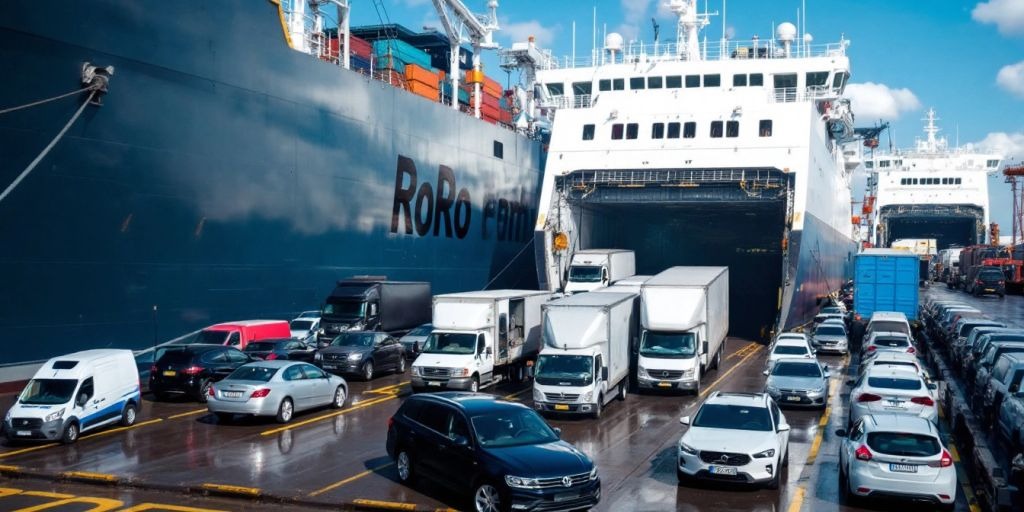
This typically involves loading the vehicle into a shipping container, arranging transport to a UK port, and finally booking container space on a vessel bound for Dar es Salaam (Tanzania) or Mombasa (Kenya) for Uganda deliveries.) Most shipping is by RoRo from UK Ports: Sheerness, Tilbury, Southampton.
Shipping times generally range from 5-6 weeks, depending on the destination port and vessel schedules. Costs vary based on vehicle size, shipping route, and fuel surcharges, typically ranging around £1,450 for RoRo.
-
Port Procedures and Customs Clearance
Upon arrival at your destination port, the vehicle enters customs procedures. Here’s where proper documentation becomes critical. You’ll need to provide:
- Original UK V5C registration document
- Commercial invoice
- Bill of lading
- Inspection certificate (if required)
- Import permits and customs declarations
Customs officials will then inspect the vehicle to verify its condition, mileage, and that it matches the declared documentation. This process typically takes 3-7 working days.
-
Registration and Final Paperwork
After customs clearance, you’ll register the vehicle with your local transport authority. In Tanzania, this process is facilitated by the Tanzania Revenue Authority (TRA), where you submit documents such as Form C17 clearance, inspection certificates, and fees to obtain plates and a registration certificate.
In Uganda, registration is handled by the Ministry of Works and Transport (MoWT), which issues first-time plates and a logbook upon presentation of clearance documents; note that vehicle inspections may involve separate units, such as UVIU. You’ll receive local registration plates and your vehicle ownership document in both countries.
Working with a Specialist Importer
While it’s possible to handle imports independently, working with a specialist like UK RoadRunner simplifies the entire process considerably. We handle vehicle sourcing, arrange all necessary inspections, coordinate international shipping, manage customs documentation, and provide support through the clearance process.
Our established relationships with reliable shipping partners, customs brokers, and local authorities in both Tanzania and Uganda mean your vehicle arrives safely and on schedule. We also provide guidance on the best timing for imports and help you understand all associated costs upfront, eliminating surprises.
Timeline Expectations
From selecting a vehicle to driving it off the port in your home country typically takes 8-12 weeks. This breaks down roughly as follows:
- Vehicle selection and purchase: 1-2 weeks
- Inspection and preparation: 2 Days
- Shipping arrangement and port procedures: 1 weeks
- Transit at sea: 4-6 weeks
- Customs clearance: 1-2 weeks
- Local registration: 1-2 weeks
Seasonal considerations matter too. The December-January period can see delays due to holiday schedules at ports and customs authorities. Planning your import for February-November typically ensures smoother processing.
Tips for a Smooth Experience Importing a Car from the UK to Uganda and Tanzania
Choose trusted sellers. Work with established dealers or import specialists with positive reviews and transparent pricing. Avoid private sales where documentation might be incomplete.
Get detailed inspection reports. Never skip professional pre-purchase inspections. They cost £200-400 but can save you thousands by identifying potential problems.
Budget for everything. Don’t just budget for the vehicle and shipping. Factor in all import duties, taxes, port fees, and local registration costs to avoid financial surprises.
Understand local regulations. Each country has specific requirements. Familiarise yourself with the Tanzania Revenue Authority or Uganda Revenue Authority guidelines well before purchase.
Keep all documentation. Maintain copies of every invoice, receipt, inspection report, shipping document, and customs clearance paper. These are essential for vehicle registration and future sales.
Plan. Give yourself at least 3 months from deciding to import to receiving your vehicle. Rushing the process often leads to expensive mistakes.
Conclusion
Importing a vehicle from the UK to Tanzania or Uganda is a realistic and often economical option for buyers seeking quality and reliability. While the process involves multiple steps and regulatory compliance, it’s entirely manageable—especially with professional support.
The combination of UK vehicle quality, transparent documentation, and competitive pricing often makes importing a smarter choice than purchasing locally. Whether you’re buying your first vehicle or expanding a fleet, UK RoadRunner is here to guide you through every step of the process.
Ready to explore UK vehicle imports? Contact us today for a free consultation and discover how easy it can be to get the perfect vehicle delivered to your door.